High Impact Practice Program
A voluntary co-curricular program designed to provide students with immersive, real-work educational experiences that accelerate academicprogress and enhance career readiness.
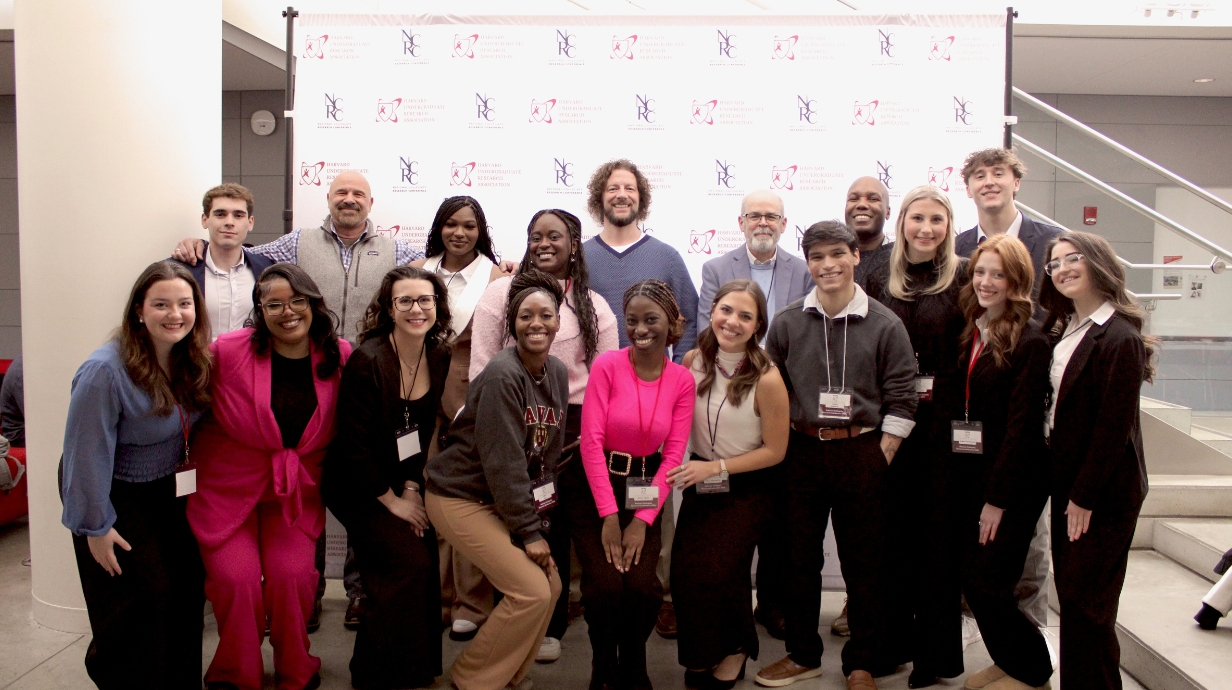
The purpose of the program is to offer students co-curricular programming in addition to their degree program.
Evidence demonstrates improved grade point averages and course completion, increased persistence to next academic year, increased retention rates, decreased time to degree completion, greater gains and academic impact for underserved and historically disadvantaged students.
Required Foundational High Impact Practice Activities
Attend organizational meetings to learn about program requirements, plan your HIPP journey, learn how to track your progress toward program completion.
Students must successfully complete either EDHE 1005 or 3005
Complete UM Career Center activities, including career self-assessment quiz, professional documents workshops (resume, cover letter), job interview practice session, salary negotiation, graduate school preparation.
Student Choice - Pick 4
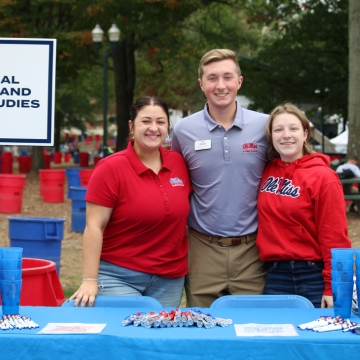
Leadership - Intensive Leadership Exeriences
Community Leadership
SAS Ambassador Program
UM Student Leadership
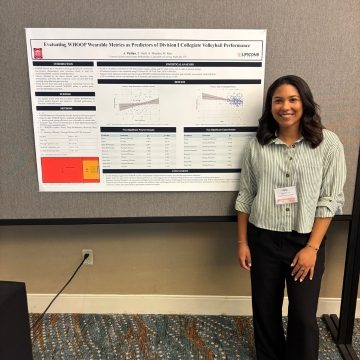
Research - Research/Innovative Endeavors
The Harvard Experience
Capstone Project
Research Publication
Propose Your Own Research Project
Community - Community Engaged Learning
SAS Health and Human Sciences Living Learning Community (LLC)
Discipline Based Internships
Propose Your Own Service Project

Global Learning - Transcultural Experiences
UM Study - Abroad Courses
UM Study - USA Courses
SAS International Service Trips
SAS Partnership/Projects with International Organization
Grounded in Evidence
High Impact Practices predict GPA, Credit Completion, and Timeto-
Degree International Journal of Teaching and
Learning in Higher Education (2023)
53.7% Increased Persistence (to next academic
year) with Campus Event Attendance Modern
Campus (2025)
94% Retention Rate with Community Service
Modern Campus (2025)
Increased Retention Odds with Multiple HIPs
Brownell, J. E., & Swaner, L. E. (2010)
Learning Communities Improve Grades and
Course Completion Bonet, G., & Walters, B. R.
(2016)
Significantly Greater Gains for Underserved
Students with Multiple HIPs Finley, A., & McNair, T.
(2013)
Greater Academic Impact for Historically
Disadvantaged Students Finley & McNair (2013);
Kilgo, Sheets, & Pascarella (2015); Quaye &
Harper (2014)